
Bbdbuy Finds
Spreadsheet
OVER 5000+
WITH QC PHOTOS
Click the images below to browse!




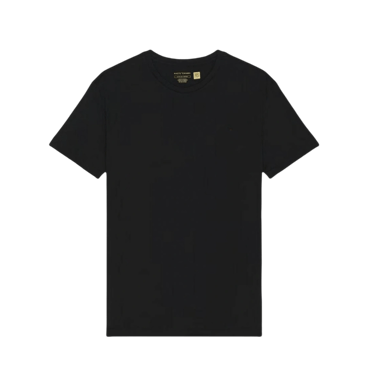



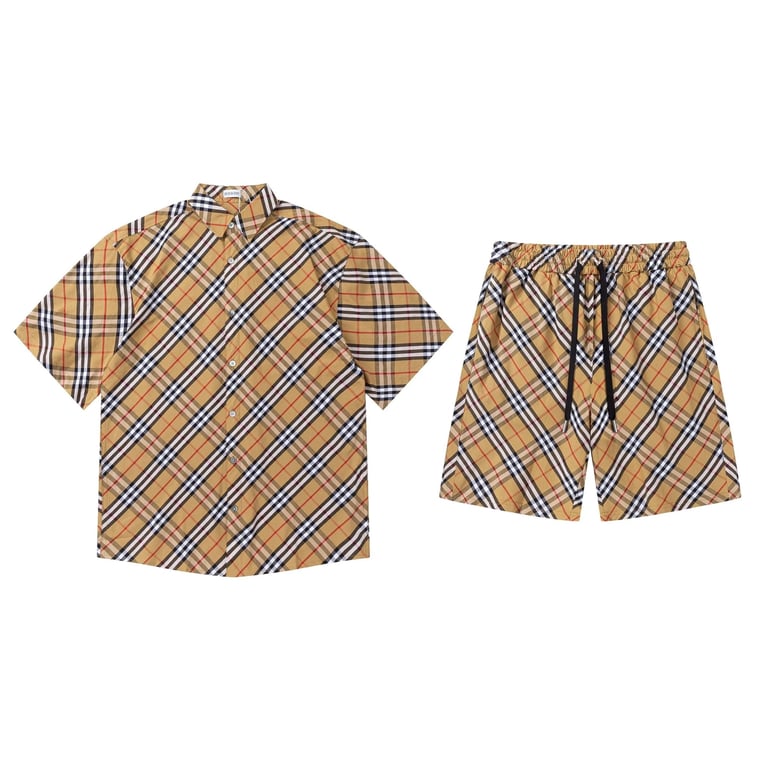
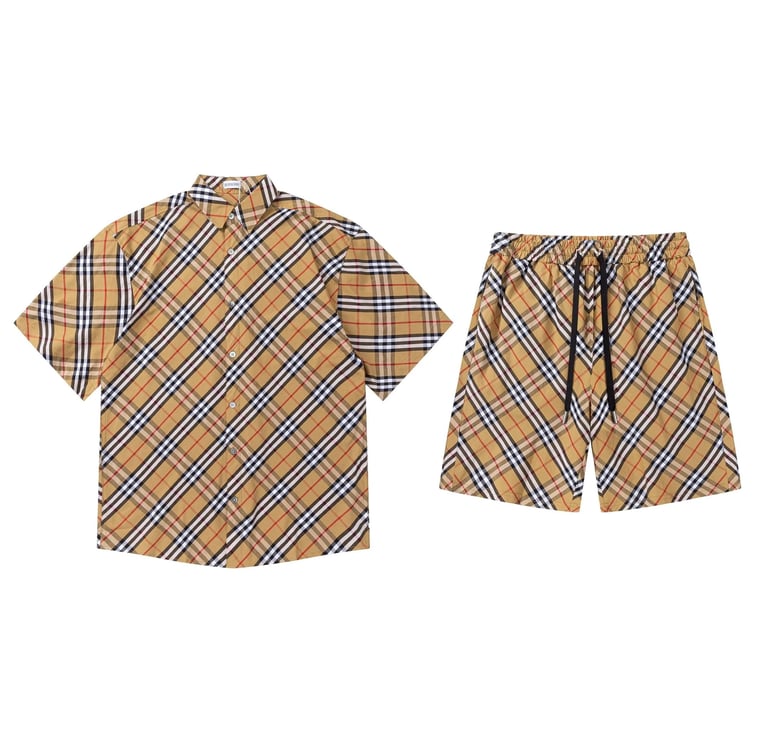


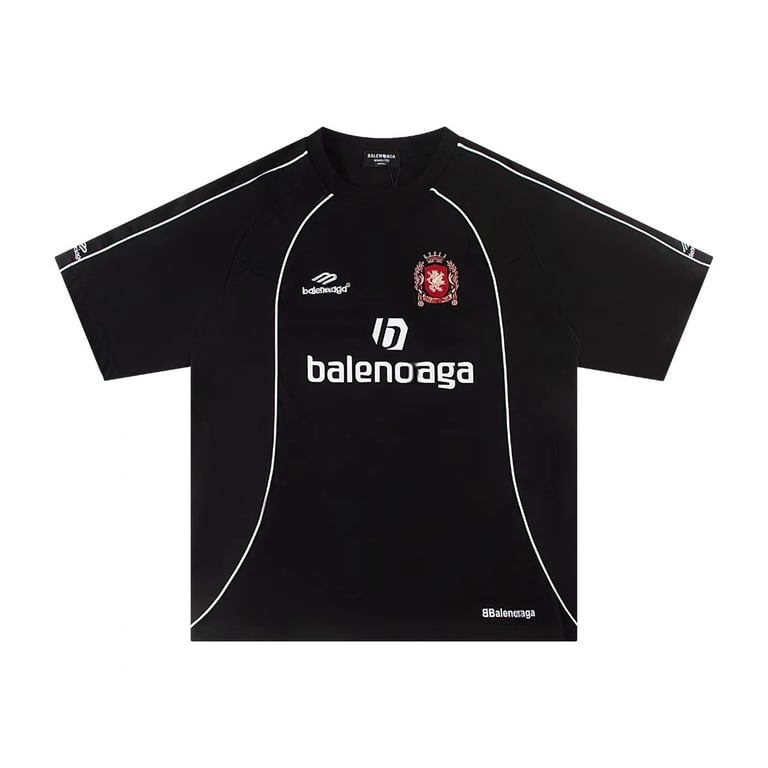
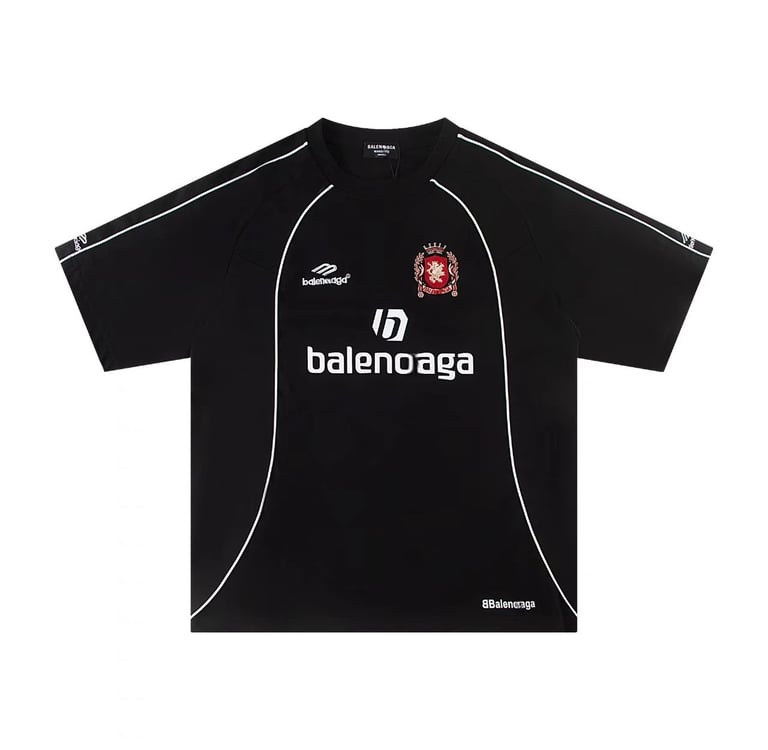



📊 Bbdbuy spreadsheet for comparing similar products before purchase|price differences + quality comparison + selection logic
🧭 Introduction
Cross-border ecommerce platforms often present users with large volumes of similar-looking products that differ significantly in price, material quality, and supplier reliability. Without a structured system, users must manually compare multiple listings, which increases decision time and reduces purchase accuracy.
The Bbdbuy spreadsheet is designed to solve this issue by organizing similar products into structured comparison groups, enabling users to evaluate price differences, quality levels, and selection logic more efficiently before purchasing. In addition, Bbdbuy links provide direct access to grouped supplier sources, reducing unnecessary browsing and improving selection speed.
This structured approach transforms fragmented browsing into a more efficient comparison-based decision process.
📦 Product comparison shopping logic
In cross-border ecommerce, product comparison is not simply about selecting the lowest price but about understanding overall value across multiple dimensions.
Users typically evaluate:
Price differences between similar products
Material quality and durability
Supplier consistency and reliability
Functional variations within the same category
The Bbdbuy spreadsheet organizes these variables into structured datasets, allowing users to compare multiple options simultaneously rather than reviewing listings one by one.
This improves decision clarity and reduces uncertainty in product selection.
💰 Price vs quality analysis
One of the most important decision frameworks in ecommerce is balancing price and quality. Low-priced products may reduce cost but often compromise durability, while high-priced products may not always deliver proportional value.
The Bbdbuy spreadsheet helps users:
Compare price ranges within identical product categories
Identify quality indicators across suppliers
Detect abnormal pricing patterns that may indicate lower reliability
Evaluate long-term value rather than short-term savings
By presenting price and quality data side by side, users can make more balanced and rational purchasing decisions.
🏭 Differences between identical products from different suppliers
A common situation in cross-border marketplaces is that identical or nearly identical products are offered by multiple suppliers with different pricing and quality levels.
These differences may include:
Variation in material grade or production standards
Differences in included components or packaging
Manufacturing quality inconsistencies
Shipping reliability and fulfillment differences
The Bbdbuy spreadsheet helps users identify these variations by grouping similar products together, making supplier differences easier to detect and evaluate.
This reduces the risk of selecting low-quality or misrepresented products.
🧠 Decision-making logic for product selection
Selecting the right product requires structured evaluation rather than instinctive judgment.
Users generally consider:
Whether the product meets functional requirements
Whether price aligns with expected quality level
Whether supplier reliability supports repeat purchasing
Whether alternative options offer better long-term value
The Bbdbuy spreadsheet supports this process by organizing comparison data in a structured format, helping users focus on key decision factors instead of scattered information.
This improves decision accuracy and reduces cognitive overload during shopping.
📊 Consumer comparison behavior model
Consumer behavior in product comparison is driven by risk reduction and value optimization. When multiple similar options exist, users rarely purchase without comparing alternatives.
Common behavioral patterns include:
Scanning multiple options before final selection
Relying on visible price comparisons
Preferring structured product grouping
Avoiding unclear or unstructured listings
The Bbdbuy spreadsheet aligns with these behaviors by providing a structured comparison system that reduces uncertainty and improves purchasing confidence.
Over time, this leads to more efficient shopping behavior and better decision consistency in cross-border ecommerce environments.
🧾 Conclusion
The Bbdbuy spreadsheet is most effective in scenarios where users are evaluating multiple similar products that differ only in price, quality level, or supplier source. Instead of relying on fragmented listings, users can consolidate comparable options into a single structured view and identify the most rational choice based on value efficiency.
In cross-border marketplaces where identical products may vary significantly across suppliers, this structured comparison approach reduces the risk of overpaying for low-quality items or selecting inconsistent listings. By making price-to-quality relationships more transparent, the spreadsheet supports more disciplined purchasing behavior.
Combined with Bbdbuy links, users can shift from scattered product discovery to a controlled comparison environment, where decisions are made based on measurable differences rather than visual similarity alone. This is especially valuable for repeat purchases and bulk sourcing scenarios where consistency matters more than one-time selection.


📊 Bbdbuy spreadsheet organizing products for easier side-by-side comparison|category grouping + visual comparison + filtering
🧭 Introduction
Cross-border ecommerce platforms often present large volumes of similar products that are difficult to evaluate efficiently. Without structured grouping and comparison logic, users are required to manually open multiple listings, which slows down decision-making and increases cognitive load.
The Bbdbuy spreadsheet addresses this issue by organizing products into structured comparison sets that enable side-by-side evaluation based on category, visual similarity, and key product attributes. In addition, Bbdbuy links provide direct access to grouped product sources, reducing navigation steps and improving browsing efficiency.
This structure is designed to support faster and more accurate product evaluation in fragmented cross-border retail environments.
📦 Product grouping system
Effective comparison begins with proper grouping of similar products. In cross-border marketplaces, items are often listed individually without clear classification, making it difficult to identify comparable options.
The Bbdbuy spreadsheet structures products using:
Functional grouping based on use case
Category-based clustering of similar items
Price-tier segmentation for budget alignment
Supplier-based grouping for multi-source comparison
This ensures that users always compare comparable products within the same decision frame, reducing confusion caused by inconsistent listings.
📊 Comparison dimension structure
To enable meaningful evaluation, all products must be assessed using consistent criteria.
The Bbdbuy spreadsheet standardizes comparison across key dimensions:
Price variation across suppliers
Material and build quality differences
Size, specification, and capacity metrics
Functional performance characteristics
Visual design and appearance consistency
By aligning products under identical evaluation dimensions, users can quickly identify meaningful differences rather than relying on surface-level impressions.
🔍 Filtering logic design
Filtering is essential for narrowing large product sets into manageable decision groups.
The Bbdbuy spreadsheet supports structured filtering through:
Budget-based price filtering
Feature-based selection criteria
Style and design preference filtering
Supplier reliability filtering
This allows users to eliminate irrelevant options early in the process and focus only on products that match their requirements.
🧩 Multi-product comparison method
Comparing multiple products at once is significantly more efficient than evaluating items sequentially.
The Bbdbuy spreadsheet enables multi-product comparison by:
Displaying multiple items in structured tables
Aligning key attributes in parallel format
Highlighting differences between similar products
Supporting quick visual scanning across options
This transforms comparison from a sequential process into a parallel evaluation system, improving decision speed and clarity.
In addition, Bbdbuy links allow users to move between grouped product clusters without losing comparison context.
📈 Retail comparison behavior model
Consumer behavior in product comparison is driven by the need to reduce uncertainty and maximize value efficiency. When multiple similar products are available, users tend to delay decisions until sufficient comparison has been completed.
Common behavioral patterns include:
Reviewing multiple alternatives before purchase
Focusing on visible differences in price and quality
Preferring structured layouts over unorganized listings
Avoiding decisions when information is fragmented
The Bbdbuy spreadsheet aligns with this behavior by converting unstructured retail data into a structured comparison environment, reducing cognitive overload and improving decision confidence in cross-border ecommerce settings.
🧾 Conclusion
In practice, users rarely choose the first product they see when several similar options are available. They tend to move back and forth between listings, trying to understand whether small differences in price, material, or presentation actually matter. This process becomes slow and mentally tiring when the information is not organized in a consistent way.
The Bbdbuy spreadsheet changes this experience by putting comparable products into a single structured view where differences become easier to notice without repeated browsing. Instead of treating each product page as an independent decision, users can interpret them as variations within the same comparison space, which naturally leads to quicker judgment and fewer unnecessary clicks.